Handcrafted in Canada
Epsom Leather Handbags
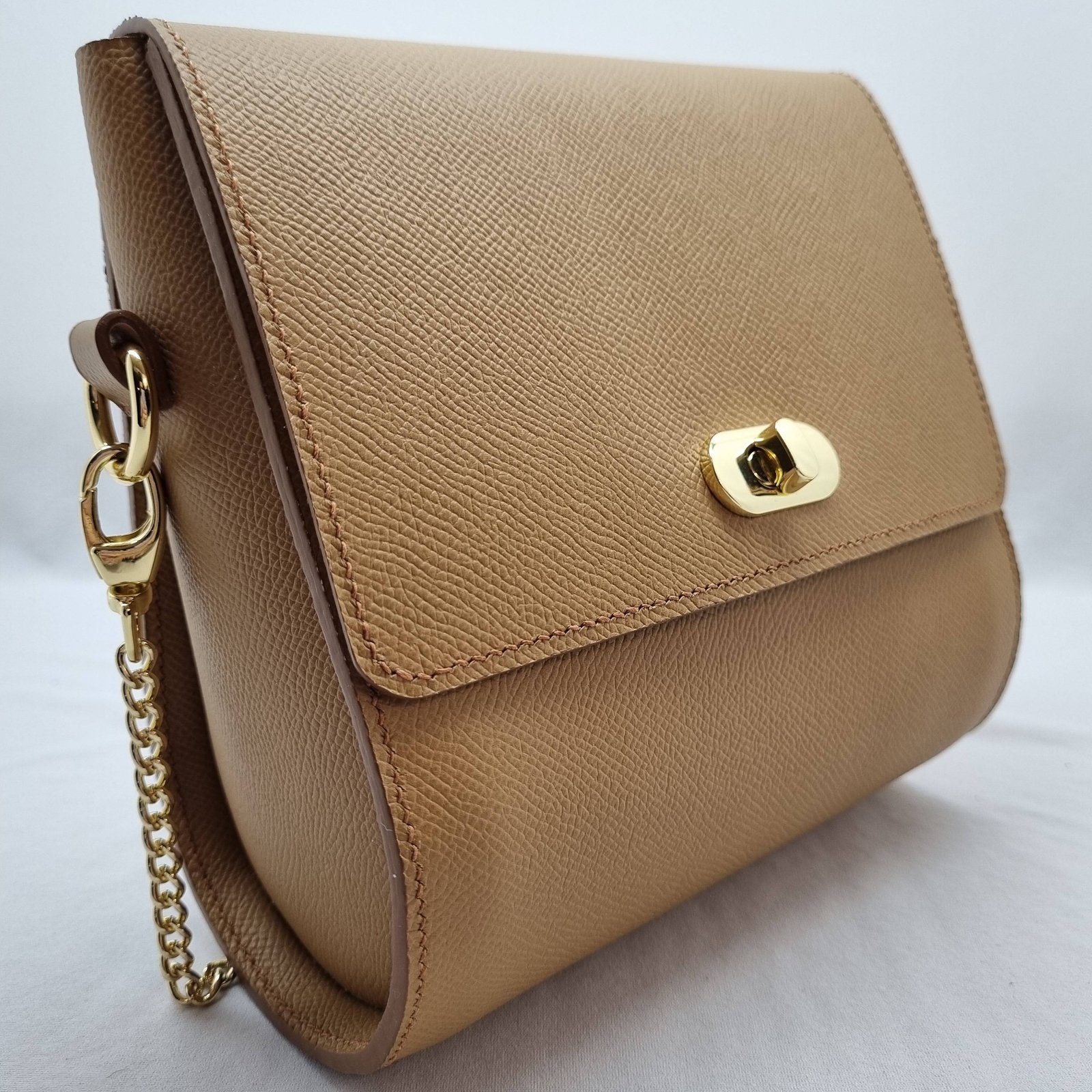
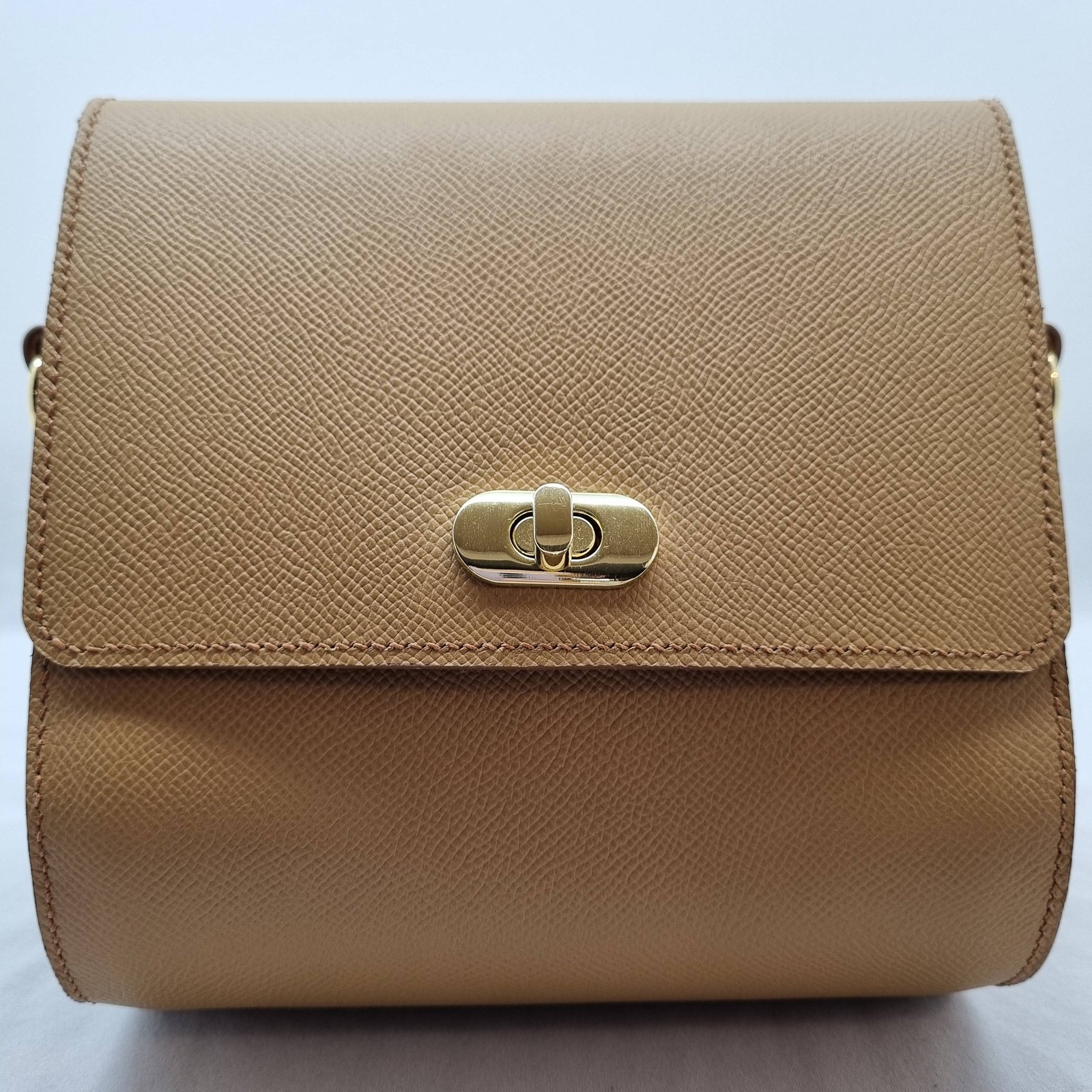
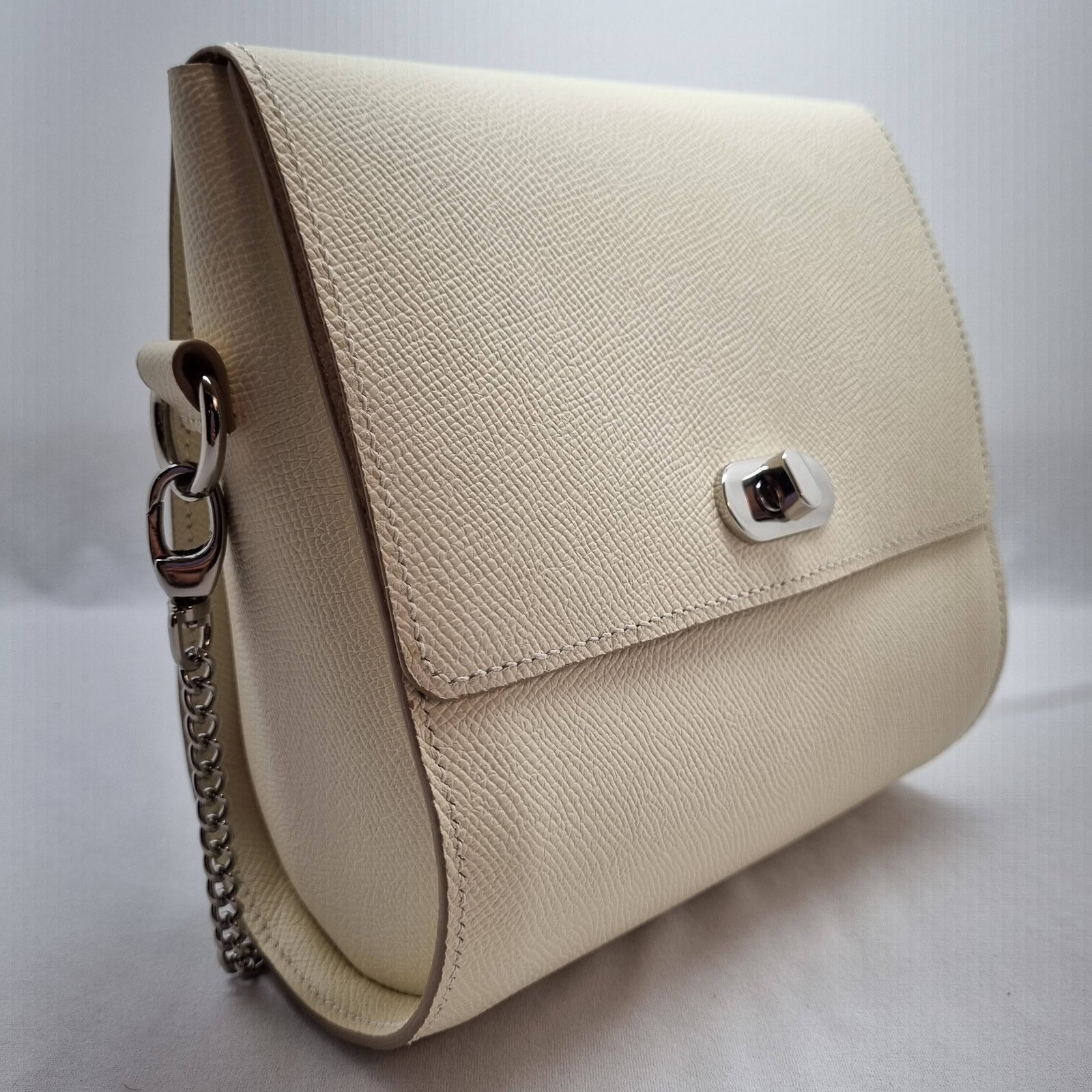
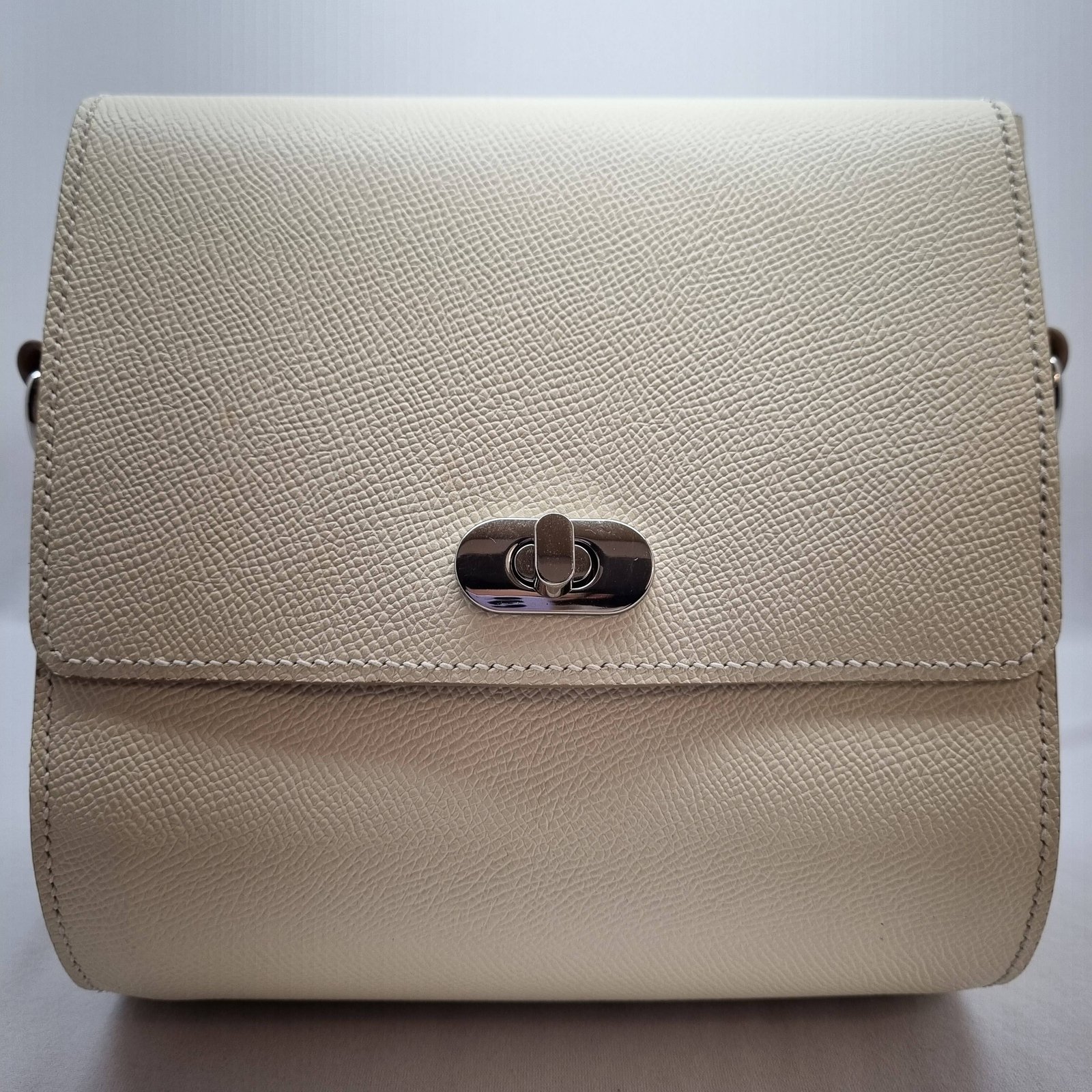
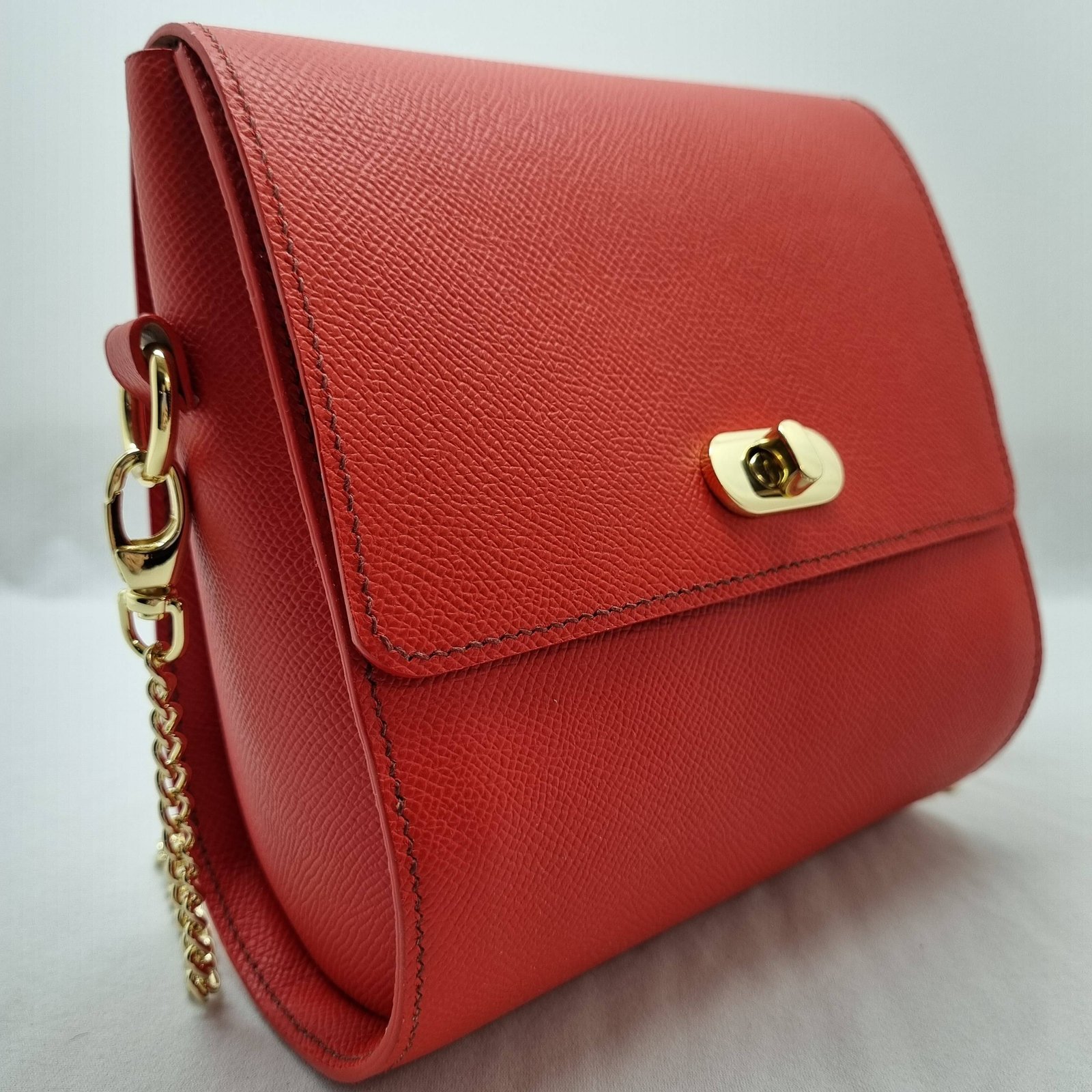
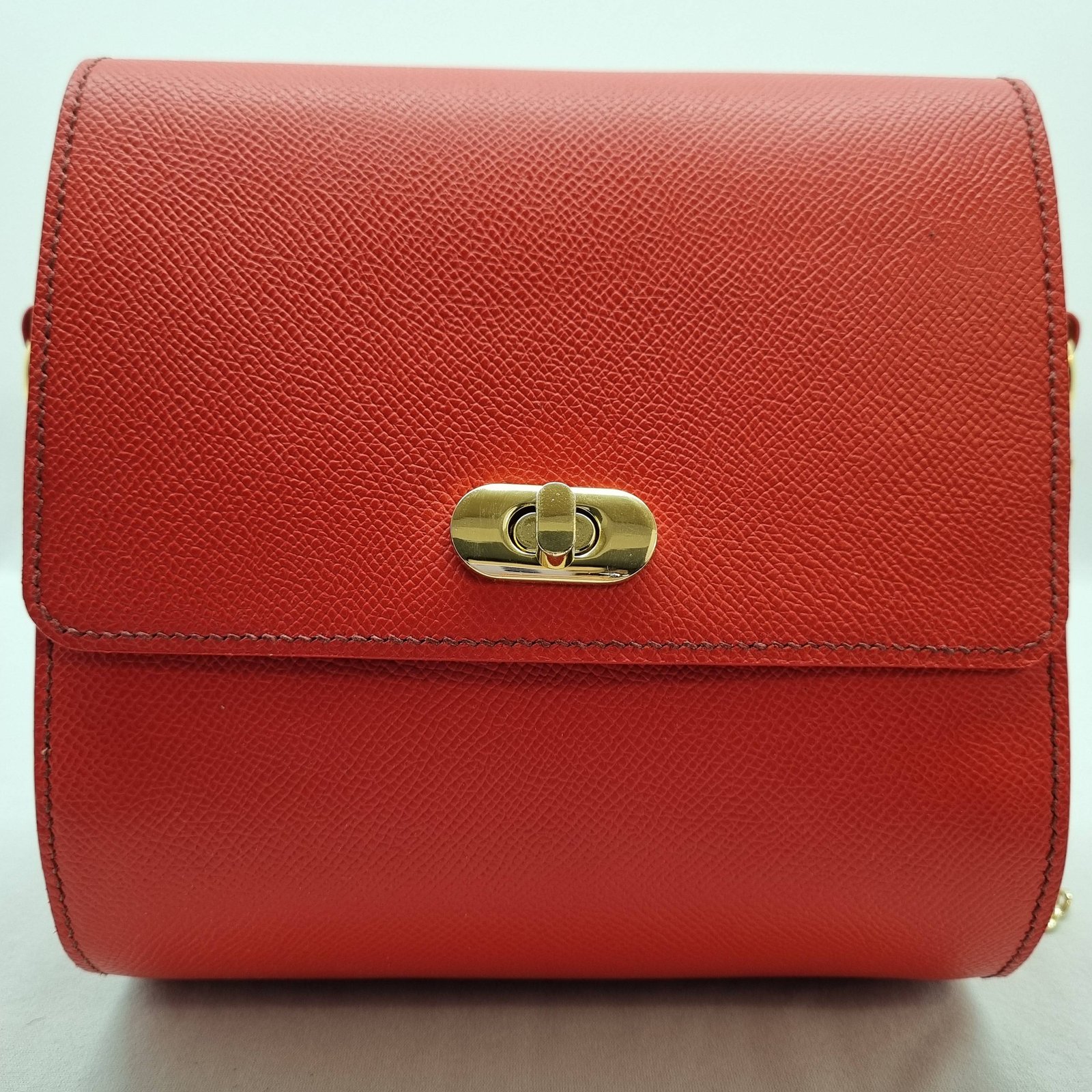
The Chestnut is the one bag we make in Epsom rather than an exotic skin, and it is a deliberate pairing rather than a lesser option. Epsom's pressed cross-hatch grain holds its shape on a structured silhouette the way a soft natural leather would not — the panels stay crisp at the seams and the base keeps its form when the bag is set down loaded, which matters more on a piece you carry daily than it does on a bracelet. The grain also means the surface resists the fine scuffing that shows up quickly on smooth calf bags carried against denim or a car seat.
Every Chestnut is hand-stitched from Epsom panels cut and matched for grain direction before assembly, so the cross-hatch runs the same way across the front, gusset and flap rather than shifting visibly at each seam — a detail that takes longer to cut for and is easy to skip, which is how you can tell a hand-assembled Epsom bag from a machine-cut one at a glance. It is built to be worn over the shoulder, sitting at the hip rather than carried by a top handle, which is why the strap drop and the flap closure are sized the way they are.
We keep four colourways cut: biscuit, craie and rouge as solid panels, and the Stinger — a two-tone black-and-yellow build that is the boldest thing we make in this shape and reads very differently depending on which colour faces out on a given day. Rouge is the colourway that draws the most attention worn on its own against neutral clothing; craie and biscuit are the ones we sell most often as a first exotic-adjacent bag, since Epsom's structure photographs and behaves like a much more expensive natural exotic without the maintenance one demands.
Care is simple relative to anything in crocodile or alligator: wipe the exterior down with a barely damp cloth, keep it away from prolonged direct sun so the dyed colour does not shift, and avoid leaving it compressed under weight in storage, since Epsom holds a crease the way it holds every other impression pressed into it. It does not need conditioning cream — the embossing seals the surface more than a natural grain does, and cream tends to sit on top rather than absorb.
A commission on the Chestnut is mostly a question of hardware and lining rather than the shell: brass or gunmetal clasp fittings, and an interior lining colour matched or contrasted against the exterior. Because we hold Epsom hides for four fixed colourways rather than sourcing per order, a commission in one of them ships in about a week; a colour we do not currently stock is a four-to-six week lead time while we source and dye-match a hide before cutting begins.